Emergency Flood Restoration Services in Burnaby, BC
Emergency flood restoration in Burnaby, BC moves fast because water damage compounds quickly. Every hour that water sits in your floors, walls, and insulation increases the scope — and once mold establishes (typically within 24 to 48 hours of saturation), what was a restoration job becomes a remediation job too. We extract standing water, dry the structure, treat at-risk surfaces, and coordinate the full scope from emergency response through to a dry, documented result.
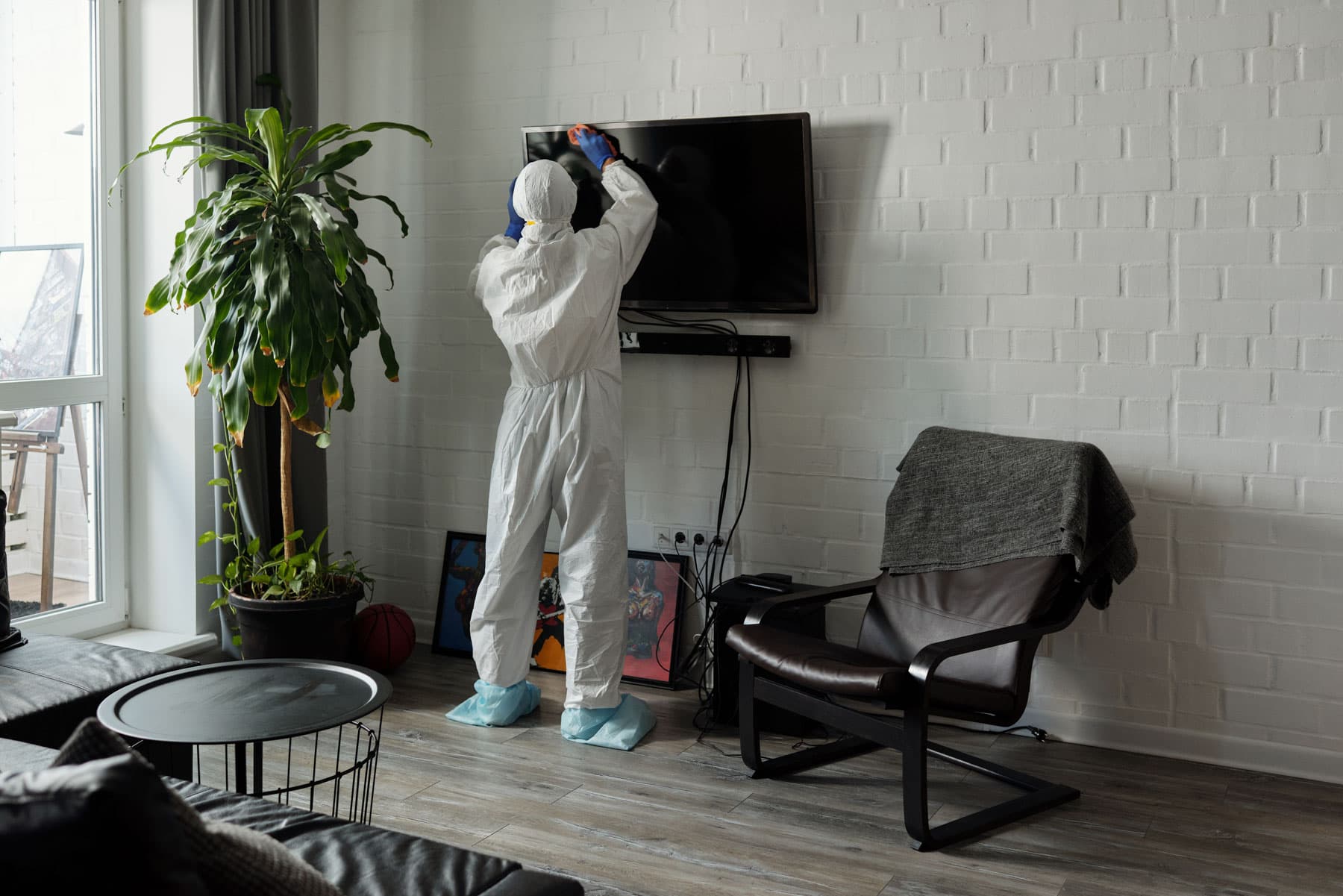
What flood restoration actually involves
Flood restoration isn't one step — it's a sequence. First, standing water is extracted using truck-mounted or portable extraction equipment. Then, affected materials are assessed: what can be dried in place (concrete, structural framing) and what needs to come out (saturated drywall, insulation, carpet). Industrial dehumidifiers and air movers are placed to draw moisture out of structural materials, and moisture readings are taken daily to track progress. Once materials reach acceptable moisture levels, the space is tested for mold and cleared before reconstruction begins.
Skipping any step in this sequence leads to problems: drywall that looks dry on the surface but holds moisture behind it, insulation that stays wet for weeks inside a wall cavity, or subfloor that feels solid but has mold growing on the underside. We document moisture readings at every stage so you have a clear record of the drying process — important for insurance claims.
Common flooding causes in Burnaby and Metro Vancouver
Metro Vancouver receives heavy, concentrated rainfall from fall through spring. The most frequent flood causes we see in Burnaby include: sewer backup from combined storm and sanitary systems overwhelmed during heavy rain, basement flooding through foundation cracks or window wells, appliance failures (washing machines, dishwashers, water heaters), burst pipes during cold snaps, and roof leaks that channel water into attic or ceiling spaces. Each scenario affects different materials and requires a different response — we assess the specific situation rather than applying a one-size approach.
Category 1, 2, and 3 water — what it means for your job
Water damage is classified by contamination level. Category 1 is clean water from a supply line or rainfall — lowest risk. Category 2 (grey water) comes from appliances or overflow containing mild contaminants. Category 3 (black water) is grossly contaminated — sewage backup, flooding from outside drainage, or water that has sat long enough to become contaminated. Category 3 flooding requires a different level of PPE, a broader scope of material removal, and stricter disposal protocols. We handle all three categories and will tell you upfront what your situation involves.
Mold prevention during flood restoration
The overlap between flood restoration and mold remediation is significant. We apply antimicrobial treatment to all at-risk surfaces during the drying phase to inhibit mold growth before it establishes. After drying is confirmed complete, we conduct air quality testing to verify no mold has taken hold — particularly in wall cavities and under flooring where visual inspection alone isn't enough. If mold has established despite treatment, we handle the remediation as part of the same job rather than handing you off to another contractor.
What's Included
- Emergency same-day response for active flooding situations
- Standing water extraction using truck-mounted or portable equipment
- Assessment of all affected materials — what can be dried vs. what needs removal
- Industrial dehumidifiers and air movers placed throughout the affected area
- Daily moisture readings to track drying progress and document the process
- Removal and disposal of saturated drywall, insulation, and carpet as required
- Antimicrobial treatment of all at-risk surfaces during drying phase
- Post-drying mold testing to confirm no growth established
- Insurance documentation — moisture logs, scope reports, and clearance results
- Category 3 (sewage) protocols where applicable
When to Call Us for Flood Restoration
- Basement flooding from heavy rainfall, sewer backup, or foundation failure
- Burst pipe or supply line flooding in kitchen, bathroom, or utility area
- Appliance failure — washing machine, dishwasher, or water heater overflow
- Roof leak that reached attic insulation or interior ceiling and walls
- Sewage backup requiring Category 3 decontamination protocols
- Water damage that occurred days ago — mold assessment required
How We Do It
- 1Emergency call assessment — we ask the right questions to scope the response
- 2Water extraction: all standing water removed before drying begins
- 3Material assessment: drying candidates vs. removal candidates identified
- 4Dehumidifiers and air movers placed, settings documented
- 5Antimicrobial treatment applied to all at-risk surfaces
- 6Daily moisture readings taken and logged until target levels reached
- 7Post-drying mold test to confirm clearance
- 8Written documentation package prepared for insurance claim
We provide flood restoration in Burnaby and surrounding Metro Vancouver communities including New Westminster, Coquitlam, Port Coquitlam, Port Moody and more. See all areas we serve →
Questions about Flood Restoration
Straightforward answers to what people usually ask us.
Need Flood Restoration in Burnaby?
Give us a call or fill out the form. We'll get a certified technician to you quickly for mold remediation services.
Available 24 hours a day, every day of the year.