Rapid Water Damage Mold Removal and Remediation in Burnaby, BC
Rapid water damage mold removal and remediation in Burnaby, BC matters because mold begins growing within 24 to 48 hours of a water event. Whether it's a burst pipe, flooding, roof leak, appliance failure, or sewage backup — the window to prevent mold from establishing is narrow. Our mold removal contractor team works alongside water damage restoration crews or independently, providing antimicrobial treatment, mold testing, and full remediation mold removal services wherever mold has established.
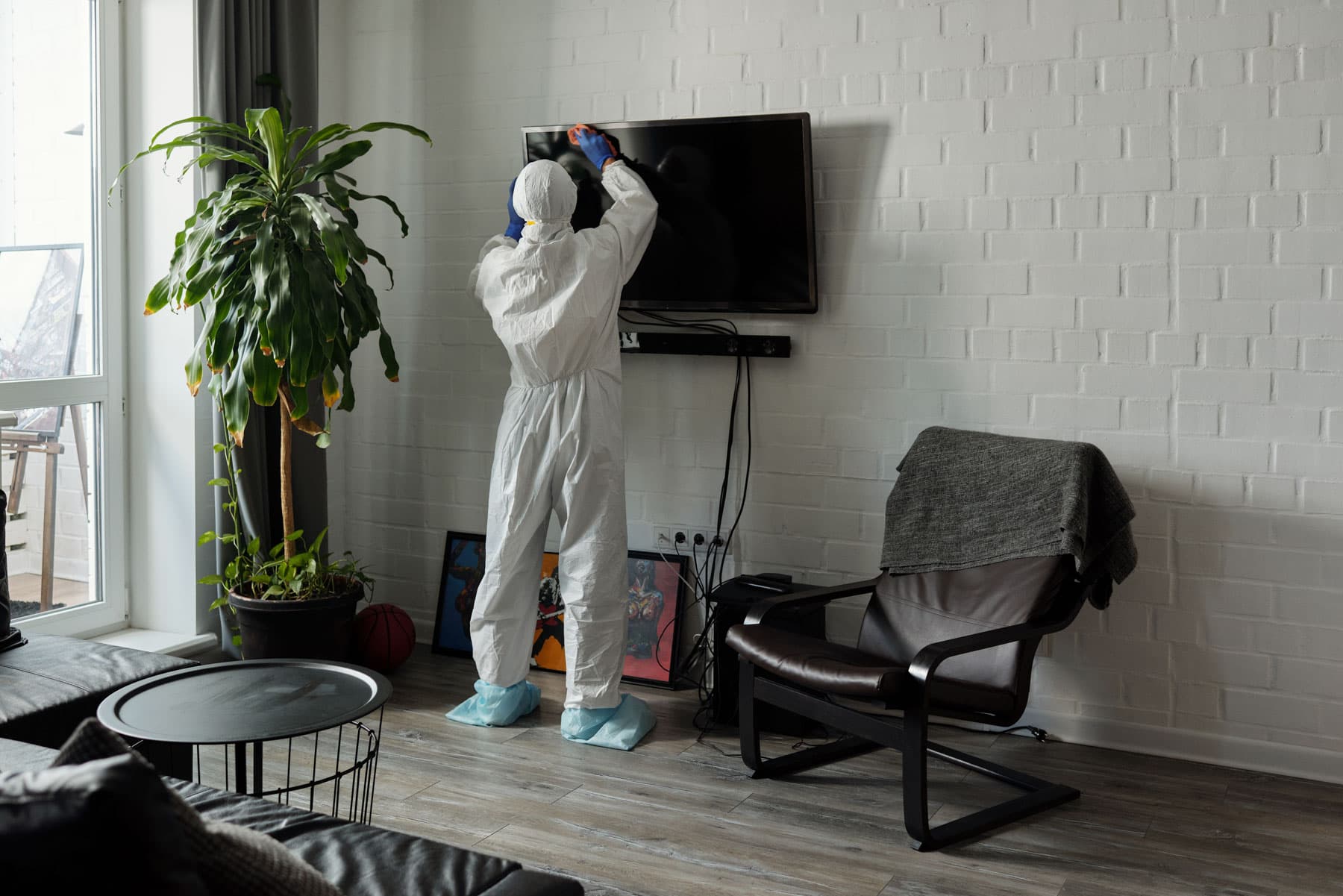
The 24–48 hour window that changes the scope
When water saturates porous building materials — drywall, insulation, wood framing, subfloor — mold spores that are always present in the environment begin germinating within 24 to 48 hours under the right temperature conditions. Once mold establishes, the job changes from a water damage restoration job to a combined water damage and mold remediation job — a significantly larger scope and cost. This is why fast action in the first day after a water event matters enormously.
The critical variables are: temperature (mold grows faster in warm conditions), material type (drywall and insulation are far more susceptible than concrete), and how quickly bulk water is removed and drying begins. A Burnaby home that floods in winter and gets dried and treated within 24 hours has a very different outcome than one that sits wet for four days.
What materials are most at risk
Drywall paper facing is highly susceptible — mold can penetrate it within 48 hours of saturation. Cellulose insulation is effectively always a write-off after flooding. Fiberglass batt insulation can sometimes be dried if acted on immediately, but is often replaced for practical reasons. OSB and plywood subfloor absorb moisture and can support mold growth within days. Wood framing (dimensional lumber) is more resistant and can often be dried and treated. Concrete is generally not a mold growth substrate, though it can support mold on the organic material that settles on it.
Sewage backup — a different level of contamination
Sewage backup introduces Category 3 water (grossly contaminated) into the affected space. Unlike a clean water event from a supply line break, sewage-affected materials — drywall, insulation, carpet, subfloor — generally need to be removed rather than dried and treated. The contamination risk from bacteria and pathogens requires a higher standard of PPE and disposal, and the scope of removal is typically more extensive. We handle Category 3 water damage mold situations following appropriate safety and disposal protocols.
Insurance documentation for water damage mold
Mold from water damage is often covered by home insurance in BC if the underlying water damage event is covered and the damage is reported promptly. Document everything before any cleanup begins: photos, video, and a written timeline of when the event occurred and when you discovered it. Report to your insurer immediately — delayed reporting can affect coverage. We can help you document the scope of mold damage in a format your adjuster can use.
What's Included
- Rapid same-day or next-day assessment of water-affected areas
- Moisture mapping to identify all wet materials and quantify saturation
- Antimicrobial treatment of at-risk surfaces to prevent mold establishment
- Coordination with water damage restoration crew during active drying phase
- Mold testing once drying is complete to confirm no growth established
- Full mold remediation services if growth is found — containment, removal, biocide
- Category 3 water (sewage) protocols where applicable
- Insurance documentation support — findings report suitable for adjuster
When to Call Us for Water Damage Mold Prevention
- Burst pipe or supply line failure in Burnaby home or suite
- Flooding from heavy rainfall — particularly common in Metro Vancouver basements
- Roof leak that reached interior drywall or insulation
- Appliance failure — dishwasher, washing machine, or water heater
- Sewage backup requiring Category 3 contamination protocols
- Water damage event that occurred days ago with suspected mold establishment
How We Do It
- 1Same-day or next-day assessment — timing is critical
- 2Moisture mapping of all affected areas to determine scope
- 3Antimicrobial treatment applied proactively to at-risk surfaces
- 4Coordination with drying crew or independent drying setup
- 5Follow-up inspection at the end of the drying phase
- 6Mold testing to confirm no growth established during drying
- 7Full containment, removal, and remediation if mold is found
- 8Insurance documentation provided
We provide water damage mold prevention in Burnaby and surrounding Metro Vancouver communities including New Westminster, Coquitlam, Port Coquitlam, Port Moody and more. See all areas we serve →
Water Damage Mold Prevention — Common Questions
Straightforward answers to what people usually ask us.
Need Water Damage Mold Prevention in Burnaby?
Give us a call or fill out the form. We'll get a certified technician to you quickly for mold remediation services.
Available 24 hours a day, every day of the year.